Unique Homes MA
Tudor Revival Homes in Massachusetts
Tudor Revival (1890-1945) brought English late-medieval and early-Renaissance forms to American suburbs: half-timbered gables, casement windows, Cotswold cottages. Massachusetts's western suburbs have substantial inventories.
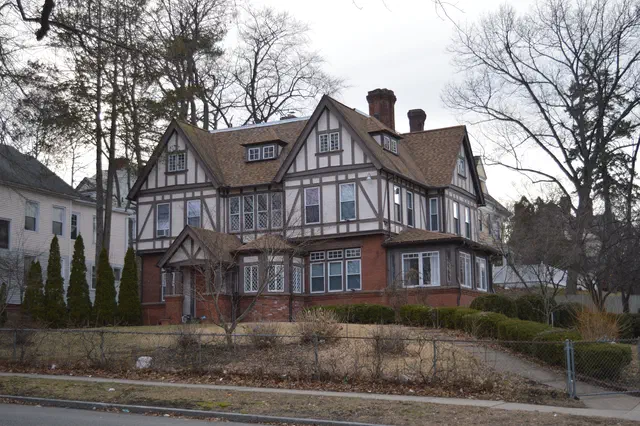
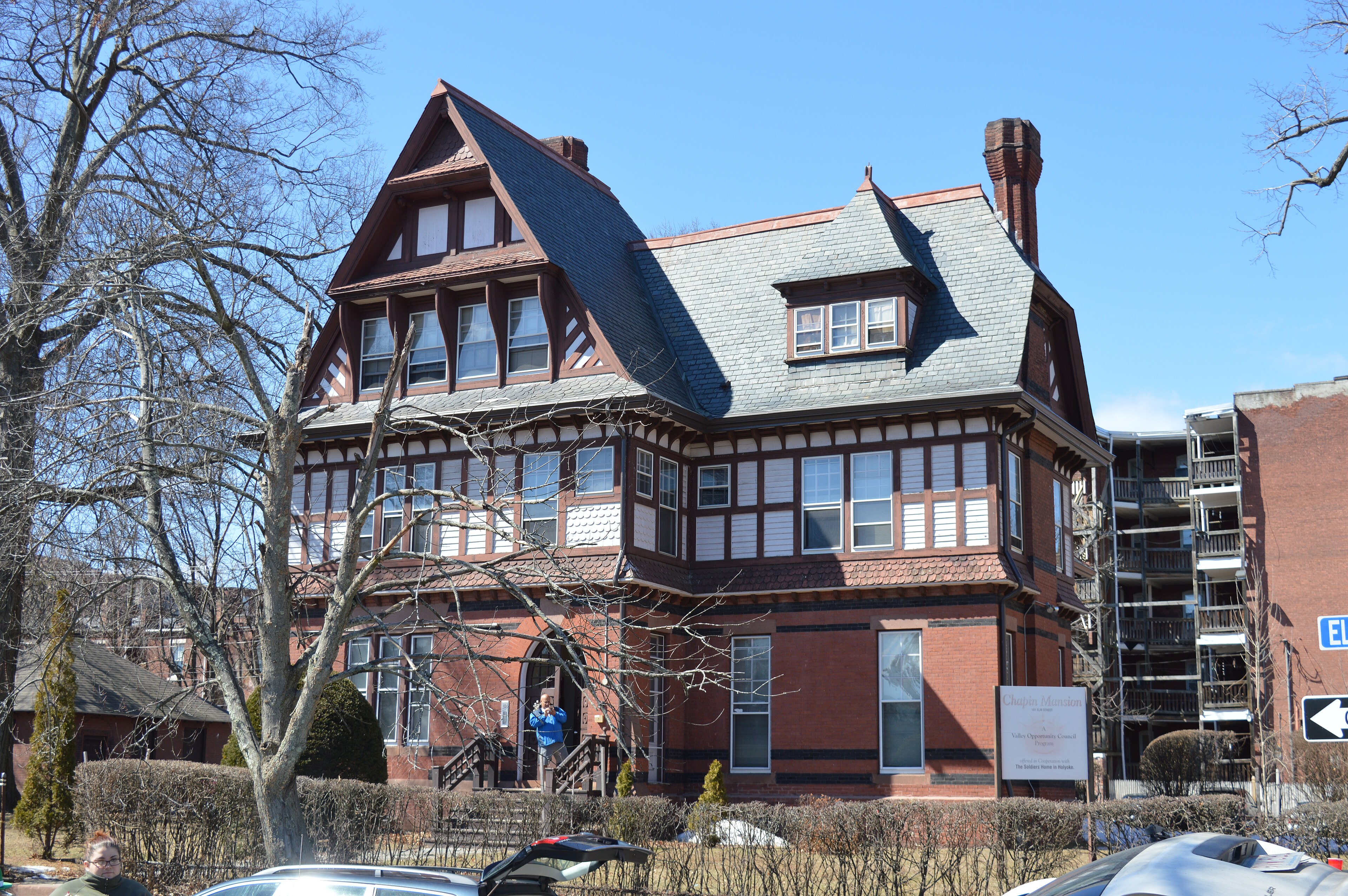
What is a Tudor Revival?
A Tudor Revival is the storybook house. Steep front gables, dark wood beams crossing pale stucco, a tall chimney out front, narrow windows with little leaded panes: it looks like it stepped out of an English fairy tale and landed in a Massachusetts suburb. The look comes from old English cottages and manor houses, dressed up for American families who wanted romance. These houses were the height of fashion in the 1920s and early 1930s, and Massachusetts has a lot of them in the leafy western suburbs that grew up around the commuter trains. The grandest were architect-built; many more were smaller versions for ordinary buyers.
Why it’s special
Almost nothing else looks like a Tudor. While the neighbors built tidy white Colonial homes, the Tudor buyer wanted a little drama. The half-timbering is the giveaway: those dark beams set into stucco in the gable peaks. On the finest houses the woodwork is the real frame showing through; on the everyday ones it is decoration. The other treats are in the details: a front door tucked into a rounded stone arch, a big chimney with patterned brick and tall pots, and walls that mix brick, stone, and stucco.

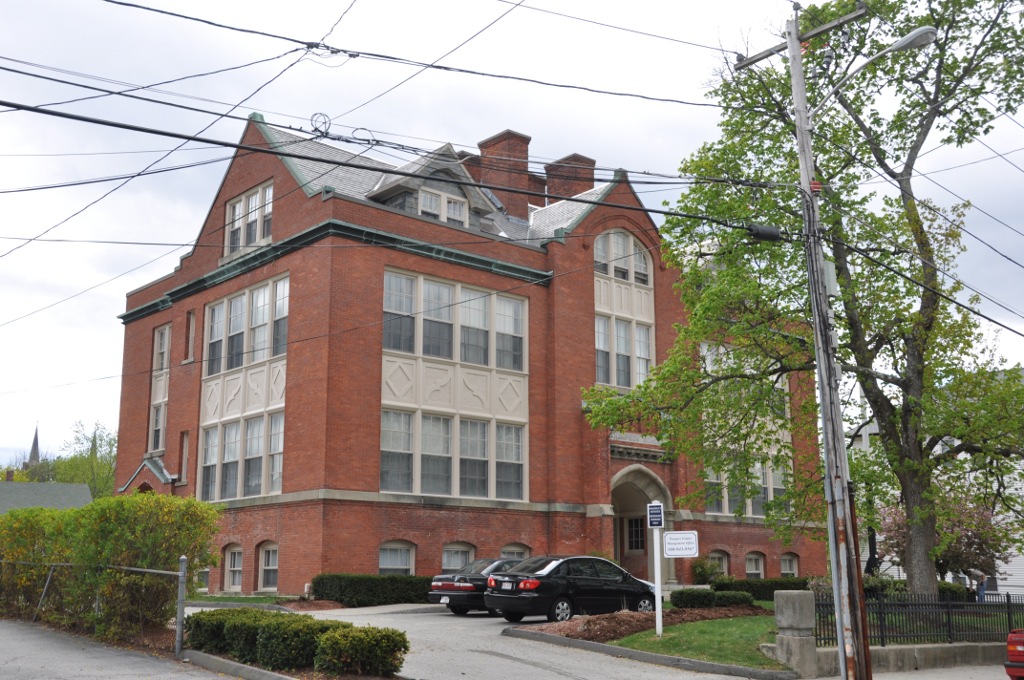
What it’s like to live in one
A Tudor wraps you in cozy, old-world rooms. Dark beams, leaded glass, and a real hearth give the place a warmth no new house copies well. In Massachusetts they cluster in the comfortable western suburbs. Wellesley, Newton, and Belmont have the most of the big architect-built estates, and Brookline’s Pill Hill has earlier, smaller ones. Cottage-sized storybook Tudors turn up across streetcar towns like Arlington and Winchester, and out west in Springfield and Longmeadow. Going in, know that a Tudor asks for care: slate roofs and leaded windows need specialists, and the big chimneys often need work before the fireplaces are usable.
Is it the real thing?
A true Tudor Revival comes from roughly 1890 to 1945, with most Massachusetts examples from the 1920s. The surest tell is the steep front gable with half-timbering and the tall, narrow windows. Wider windows and plain white clapboards point to a Colonial Revival instead. The beam-covered Stick Style is older and rare here, so a half-timbered house in this state is almost always a Tudor. There is also a real gap between an architect-built estate and a small tract Tudor: the estates have slate roofs, hand-cut stone, and genuine timber framing, while the cottages borrow the look with applied trim. MACRIS confirms a house’s date and history.
Last reviewed
Common questions about Tudor Revival homes
How do you identify a Tudor Revival home?
- A steep front-facing gable, often more than one
- Decorative half-timbering (dark wood beams over light stucco) in the gable peaks
- Tall, narrow windows, sometimes with small leaded diamond panes
- A big, prominent chimney, often with patterned brick and tall chimney pots
- An off-center, asymmetrical front
When were Tudor Revival homes built?
Tudor Revival homes were built during 1890–1945.
Where in Massachusetts are Tudor Revival homes found?
- Wellesley, Newton (especially Chestnut Hill, Newton Centre, West Newton), Belmont: high-style 1920s–30s estates
- Brookline (Pill Hill, Fisher Hill, Cottage Farm): earlier 1900s–10s
- Streetcar suburbs: Arlington, Watertown, Winchester, Melrose, Milton
Who designed notable Tudor Revival homes in Massachusetts?
- Allen, Collens & Willis: Boston firm responsible for major Tudor estates in Wellesley and Belmont
- Hardie Phillips: 1920s Newton and Brookline residential Tudor commissions
- Henry Vaughan (1845–1917): English-trained architect who brought authentic Tudor detailing to MA ecclesiastical and residential work
- Coolidge, Shepley, Bulfinch & Abbott: Tudor and Tudor-Gothic institutional buildings in Boston and Cambridge
- Andrew Hepburn: Wellesley and Weston estate Tudors of the 1920s
Current listings (15)
For Sale
$1,195,000
333 Park Ave
Arlington
5 bds | 2.5 ba | 1,985 sqft | Built 1931
MLS ID #73601978, Leading Edge Real Estate
For Sale
$989,000
122 Austin St
Newton
4 bds | 2 ba | 1,437 sqft | Built 1926
MLS ID #73579265, Keller Williams Realty
For Sale
$2,975,000
421 Waverley Ave
Newton
6 bds | 5.5 ba | 5,732 sqft | Built 1920
MLS ID #73574445, Compass
For Sale
$2,799,999
79 Randolph Road
Brookline
4 bds | 3.5 ba | 3,225 sqft | Built 1927
MLS ID #73592951, Columbus and Over Group, LLC
For Sale
$1,099,000
80 Harold Street
Boston
4 bds | 2 ba | 3,804 sqft | Built 1890
MLS ID #73570933, Compass
For Sale
$5,250,000
46 Powell Street
Brookline
6 bds | 4.5 ba | 7,028 sqft | Built 1905
MLS ID #73592699, Barrett Sotheby's International Realty
For Sale
Winter Pond
$4,299,000
4 Dartmouth
Winchester
5 bds | 5.5 ba | 6,526 sqft | Built 1935
MLS ID #73574948, Gibson Sotheby's International Realty
For Sale
$1,450,000
732 W Roxbury Pkwy
Boston
4 bds | 3.5 ba | 2,761 sqft | Built 1933
MLS ID #73591743, Mathieu Newton Sotheby's International Realty
For Sale
$874,500
94 Park Road
Franklin
4 bds | 3 ba | 2,716 sqft | Built 1941
MLS ID #73605098, Preferred Properties Realty, LLC
For Sale
$365,000
35 Leominster Rd
Lunenburg
7 bds | 5.5 ba | 5,000 sqft | Built 1910
MLS ID #73565951
For Sale
$2,550,000
82 River Rd
Topsfield
7 bds | 3.5 ba | 5,280 sqft | Built 1909
MLS ID #73527545, LandVest, Inc., Ipswich
For Sale
$620,000
6 Old Brook Dr
Worcester
4 bds | 2.5 ba | 2,132 sqft | Built 1943
MLS ID #73562895, ERA Key Realty Services- Auburn
For Sale
$524,900
18 Intervale Rd
Worcester
4 bds | 2 ba | 2,112 sqft | Built 1931
MLS ID #73597589, Lamacchia Realty, Inc.
For Sale
$309,000
134 Eddywood St
Springfield
3 bds | 1 ba | 1,515 sqft | Built 1932
MLS ID #73579849, HB Real Estate, LLC
For Sale
Mill River
$2,000,000
230 North Main
Northampton
6 bds | 3.5 ba | 4,790 sqft | Built 1911
MLS ID #73582598, The Murphys REALTORS®, Inc.